Met officer ‘left out evidence’ in UK holidaymaker murder investigation
Sarah McDermott and Rebecca Vincent · 24 June 2022
A senior Metropolitan police officer “omitted key forensic evidence” in a trial linked to the murder of a British man and the kidnap of his wife in Kenya, the BBC has learned.
The police watchdog has concluded Neil Hibberd would have a case to answer for gross misconduct had he not retired.
David Tebbutt was killed and his wife Jude taken hostage in 2011.
Mr Hibberd “absolutely disagrees with the findings”, his lawyer said.
A Kenyan man, Ali Kololo, was convicted of robbery with violence and sentenced to death. This was later commuted to life imprisonment, and he remains in Mombasa’s high-security Shimo La Tewa GK Prison.
Mr Hibberd, the detective chief inspector leading a Scotland Yard counter-terrorism team sent to Kenya to help the investigation, was a key prosecution witness at the trial. His evidence was cited by the magistrate as one of the deciding factors in the father of two’s conviction.
But now the Independent Office for Police Conduct (IOPC), which has been investigating the officer’s role in the case since June 2018, has confirmed in a statement to the BBC that “had the officer still been serving he would have had a case to answer for gross misconduct”.
Gross misconduct could lead to dismissal of a serving officer. Mr Hibberd retired in 2017.
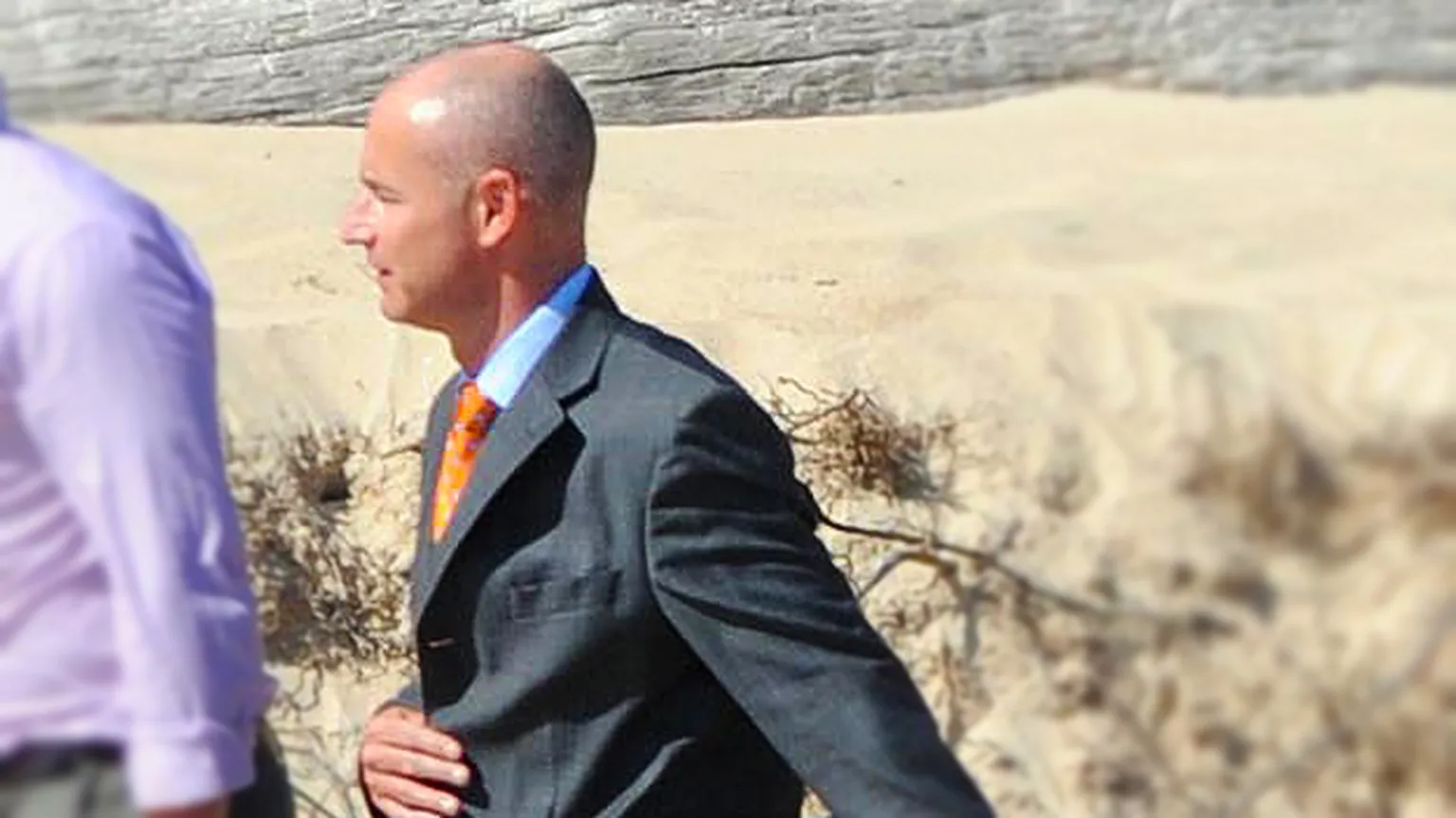
DCI Neil Hibberd in Kenya Credit: Shutterstock
The police watchdog for England and Wales told the BBC the officer’s witness statement had “omitted… key forensic evidence”, and that he had included details from an account given by Ali Kololo in his own witness statement when he should not have done.
Kenyan police took two accounts from Ali Kololo - the first was taken before Mr Hibberd joined the investigation. Ali Kololo has always alleged that his initial statement was given under torture - a claim rejected by Kenyan authorities.
Mrs Tebbutt told the BBC: “I’ve always put my faith in the police to do the right thing, but this obviously highlighted that they haven’t done the right thing.
“In fact, it highlights that there was some wrongdoings by a senior investigating officer, a senior member of the police force who really should have known better.”
Originally published by BBC News on 24 June 2022