Alan Hall wrongful conviction case: Former cops not guilty of perverting course of justice
Catrin Owen · 12 August 2026
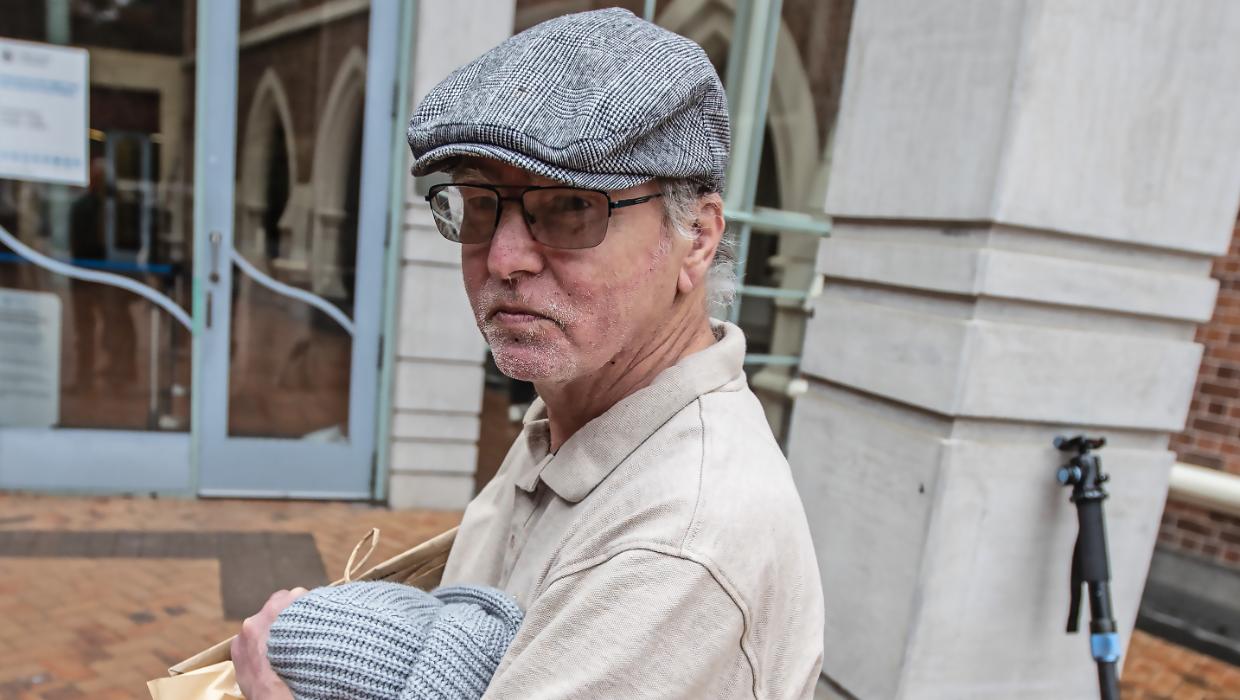
Nearly 40 years after Alan Hall was wrongfully convicted of murdering Arthur Easton, two former police officers involved in the investigation have been found not guilty of wilfully attempting to pervert the course of justice.
Hall sat at the back of an Auckland courtroom alongside his brothers on Wednesday morning as Justice Ian Gault delivered not guilty verdicts for two former police officers - both of whom have interim name suppression.
The former officers were involved in the investigation into Easton’s murder. Both had pleaded not guilty and defended the charges at a judge-alone trial earlier this year.
A third person was also charged, however they died in December 2024, with the proceedings against them stayed.
Justice Gault is yet to issue his reasons for the verdict.
‘Every person deserves a right to a fair trial’
Hall’s brothers, Geoff and Greg, have steadfastly stood beside Alan for more than four decades - as their late mother Shirley did.
“We haven’t had any answers as to why he came to that verdict, so I don’t know… I’ve got to trust in the process and the judge himself is a very good judge,” Geoff Hall said.
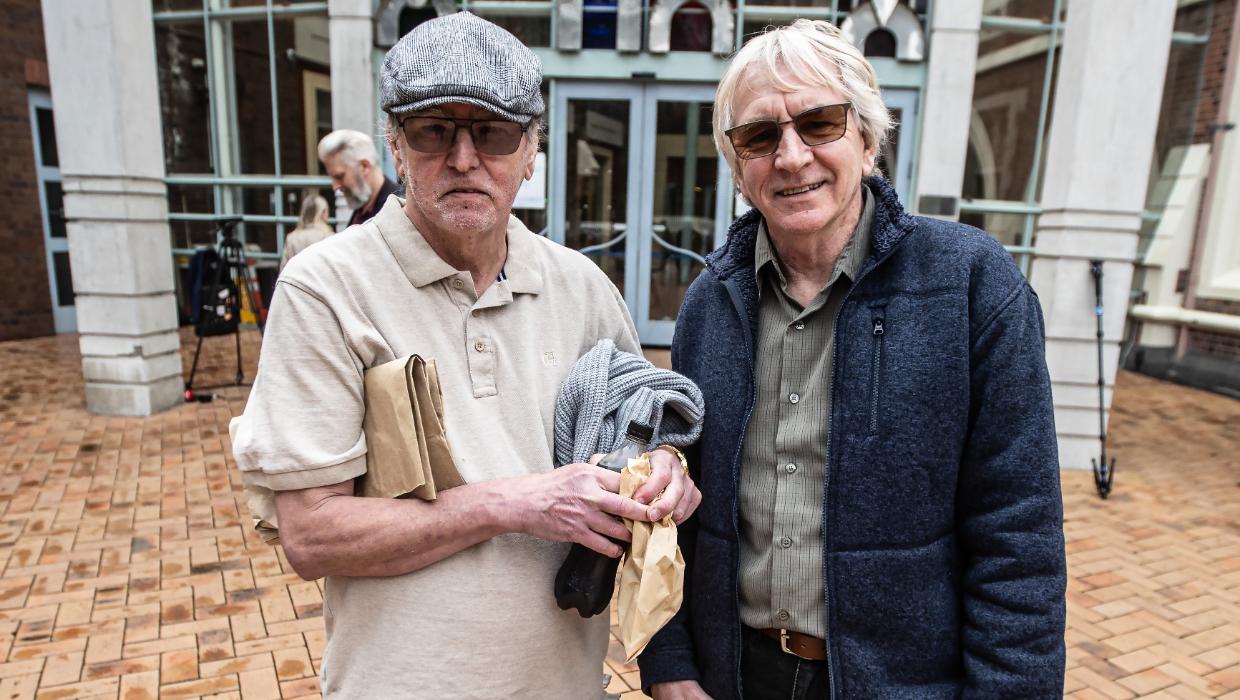
Alan Hall, left, and his brother Greg outside the High Court. Photo: Lawrence Smith/Stuff
Geoff Hall said his brother was “going through the motions”.
“It’ll take some time and he’ll come around, but he’s got his little dog that he walks on the beach so he’s a happy chap most of the time and we’ll let him go through that.”
Greg Hall said the family respected the court’s decision “even though it’s difficult to accept”.
“While the verdict did not result in a criminal conviction, some of the facts presented during the trial raised important questions about transparency and fairness. Every person deserves a right to a fair trial. The right relies on the absolute assurance that all witness evidence presented in court is strictly maintained in its original… fully consistent with the established evidentiary standards.”
Geoff added that the end of the road for the family was at the Supreme Court and this was a “side road”.
“The justice system had been abused and we were here in support of that. Alan as the victim… we needed to be part of that.”
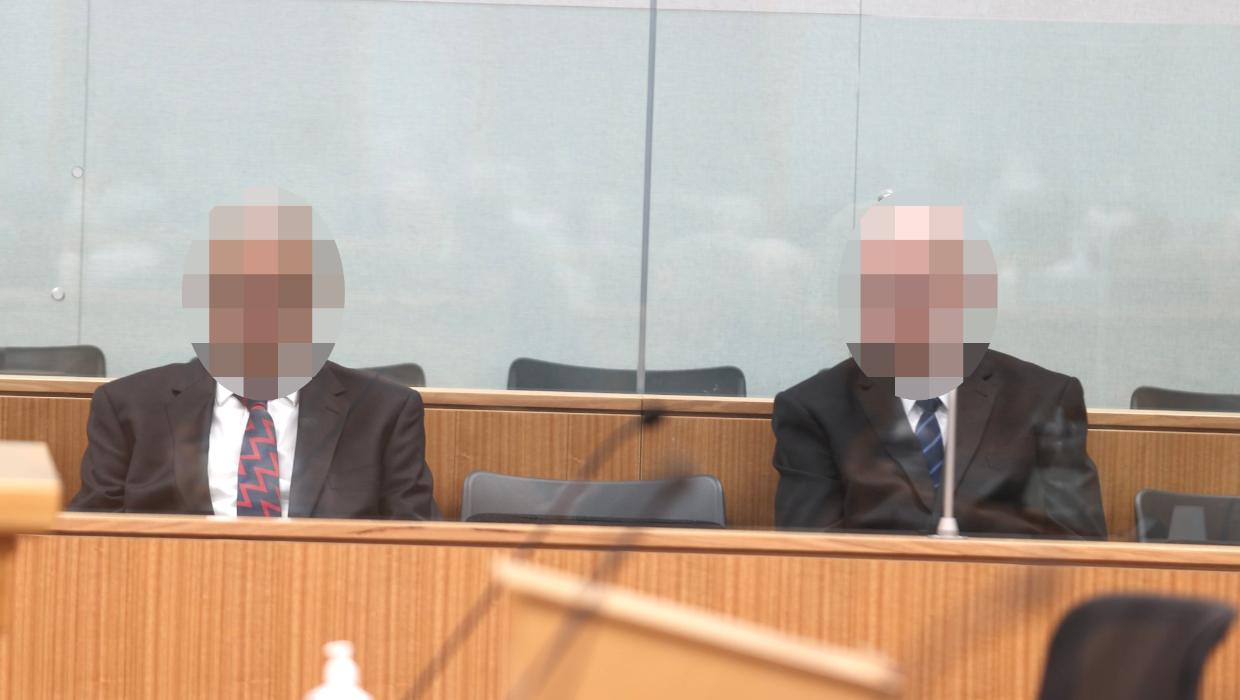
The two police officers were found not guilty by Justice Gault. Photo: Lawrence Smith/Stuff
They also acknowledged the Easton family.
“They still don’t have answers, 40 years on. They lost their father… and that’s not right. That’s not fair.
“I just want the last thing to say what happened here today, this trial, has put anybody on notice.”
Shortly after the brothers finished speaking, Alan Hall walked out of the court and joined them.
“F… me dead, we’ve got the bastards and put them on trial,” he said.
“They’re found not guilty, but I’d like to say to those two police officers, $4.9m not bad for a f… up they did.”
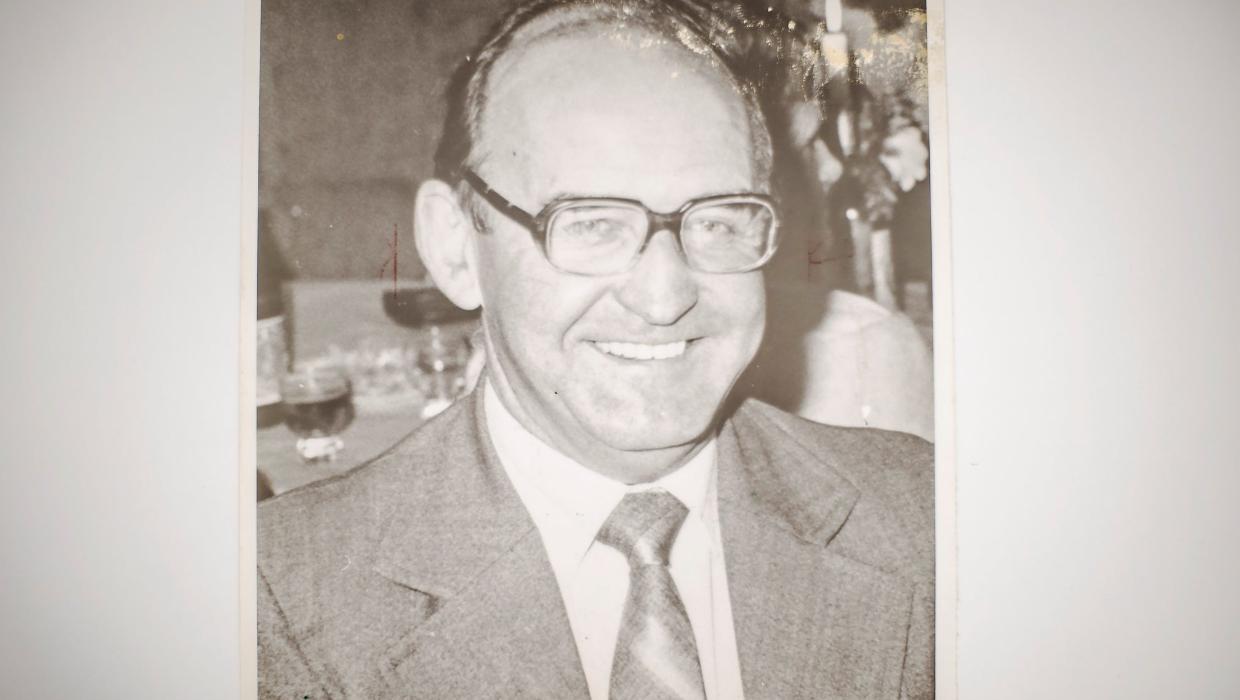
Arthur Easton, who was murdered in his home in Papakura in October 1985. Photo: Supplied
Hall was referring to the compensation he received for the time spent in jail and on parole.
Police Assistant Commissioner of Investigations Corrie Parnell said, in a statement, that police stood by its decision to prosecute the former officers.
“The onus was on the wider Justice system to understand how this was able to occur over many decades,” Parnell said. “It is our view after a thorough investigation decades later that there was an end-to-end Justice system failure, but we also recognised that individuals responsible for key steps in the case played a critical role and that needed to be answered in the courts.
“Police accept that we had a part to play in this failure occurring.”
He also acknowledged the Hall and Easton families.
Outside court, private investigator Tim McKinnel, who worked on Hall’s case before the Supreme Court hearing, said in response to the verdict - “that’s how the system works”.
“The hearing was professional and thorough. The judge heard all the evidence and made a decision, which I’m sure is very considered.”
“This process is about accountability for him [Alan Hall] and his family, particularly his mother Shirley,” McKinnel said.
On Wednesday afternoon, Paul Wicks KC, who acted for one of the officers, released a statement on behalf of the family of his client.
“Our family is profoundly relieved that our father has been found not guilty. After four years living under serious allegations that questioned his character, integrity, and decades of service to the New Zealand public, this verdict brings much-needed closure.”
The statement said the family “remained deeply troubled” how the matter was handled.
“We respect the court process and are grateful the evidence was thoroughly tested. Our father now leaves court acquitted of the charge. That verdict cannot restore the four years lost, return his health, repair his reputation, or replenish the savings depleted during this ordeal.”
The trial and case
Easton was a 52-year-old father of four sons and a daughter, and a chief technician with the Post Office, responsible for hundreds of staff and all telecommunications infrastructure in South Auckland.
He was stabbed to death in the hallway of his Papakura home on a Sunday evening in October 1985 after he confronted a bayonet-wielding intruder wearing a brown woollen hat pulled over his face.
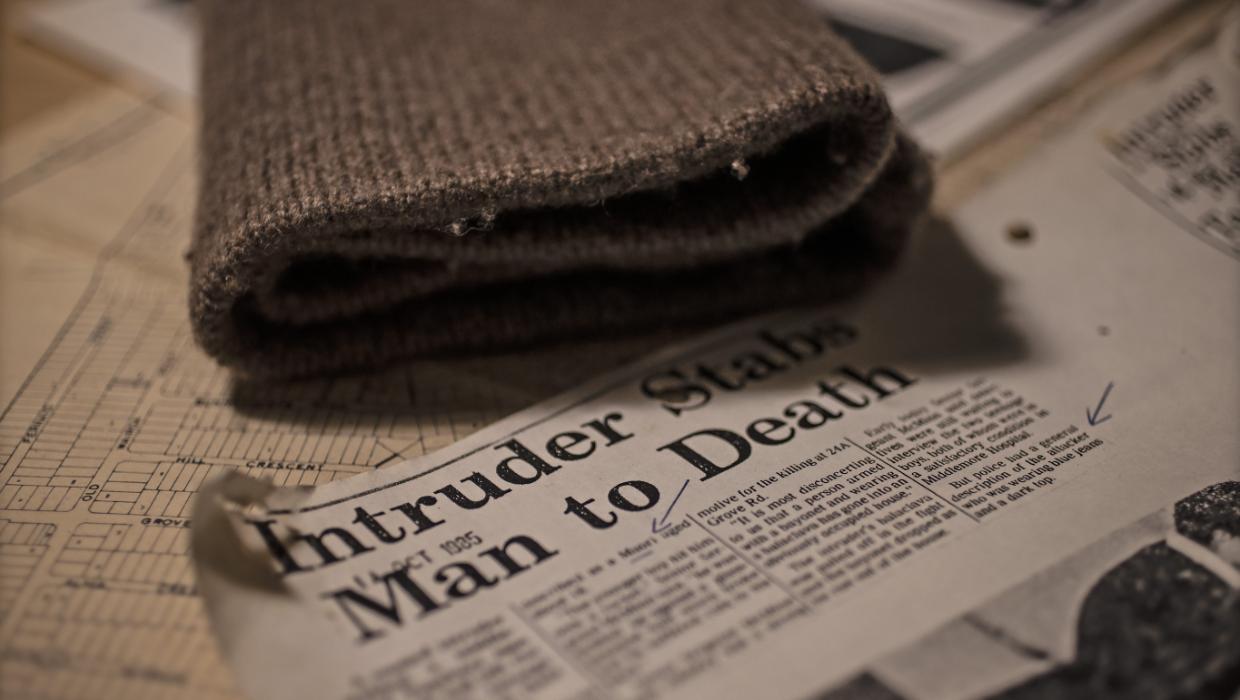
Tim McKinnel investigated the case. Photo: LAWRENCE SMITH
Two months later, police learned that Hall, who lived nearby, had owned a similar bayonet and borrowed a hat.
The case for the Crown was that the defendants became involved in the investigation into Easton’s murder shortly after the 111 call was made.
John Billington KC said in his opening that the police had one identification witness - a man called Ronald Turner.
Turner’s evidence was relied on at Hall’s trial, however there was one crucial detail of his evidence that the police officers “deliberately” did not include in the statement disclosed to the court and defence counsel ahead of trial, he said.
That one word was “Māori”.
Turner called police the night of the homicide and said he had seen a person behaving suspiciously nearby and running from the scene.
When he was interviewed, Turner told police the man was between 5ft7 and 6ft and was of Māori descent. He was “100% certain” of this. His wife also made a similar statement.
In contrast, Hall was a 5ft7 Pākehā, Billington said.
The Eastons’ sons, who were present and injured on the night their father died, also told police the intruder was of Māori descent. They also gave the same description to an attending ambulance driver.
None of this was revealed at trial, and Hall was convicted on the basis of the “omission from the one identification witness”, Billington argued.
The Crown said that by leaving out the most crucial parts of evidence and the deliberate alteration of the evidence at trial, there was an “unforgivable miscarriage of justice”.
And that miscarriage of justice “poisons the wells of the system of justice within which we are operating today”, Billington said.
He said the question for the judge was whether what happened was a result of “extreme incompetence or of a deliberate wrongful strategy”.
Hall spent nearly two decades behind bars and another two decades fighting to clear his name.
“They knew what they were required to do and they simply didn’t do it,” Billington said.
David Jones KC, acting on behalf of Officer A said his client had no intention to obstruct or pervert the course of justice.
Paul Wicks KC, acting on behalf of Officer B, endorsed Jones’ brief opening statement.
“I will just simply say to your Honour, it is [Officer B’s] case that he had no intention to, and undertook no acts, that were motivated by him seeking to wilfully attempting to prevent, pervert or defeat the course of justice,” Wicks said.
Originally published by Stuff on 12 August 2026